New research highlights five trends shaping the identity landscape, alongside rising ethical and privacy concerns
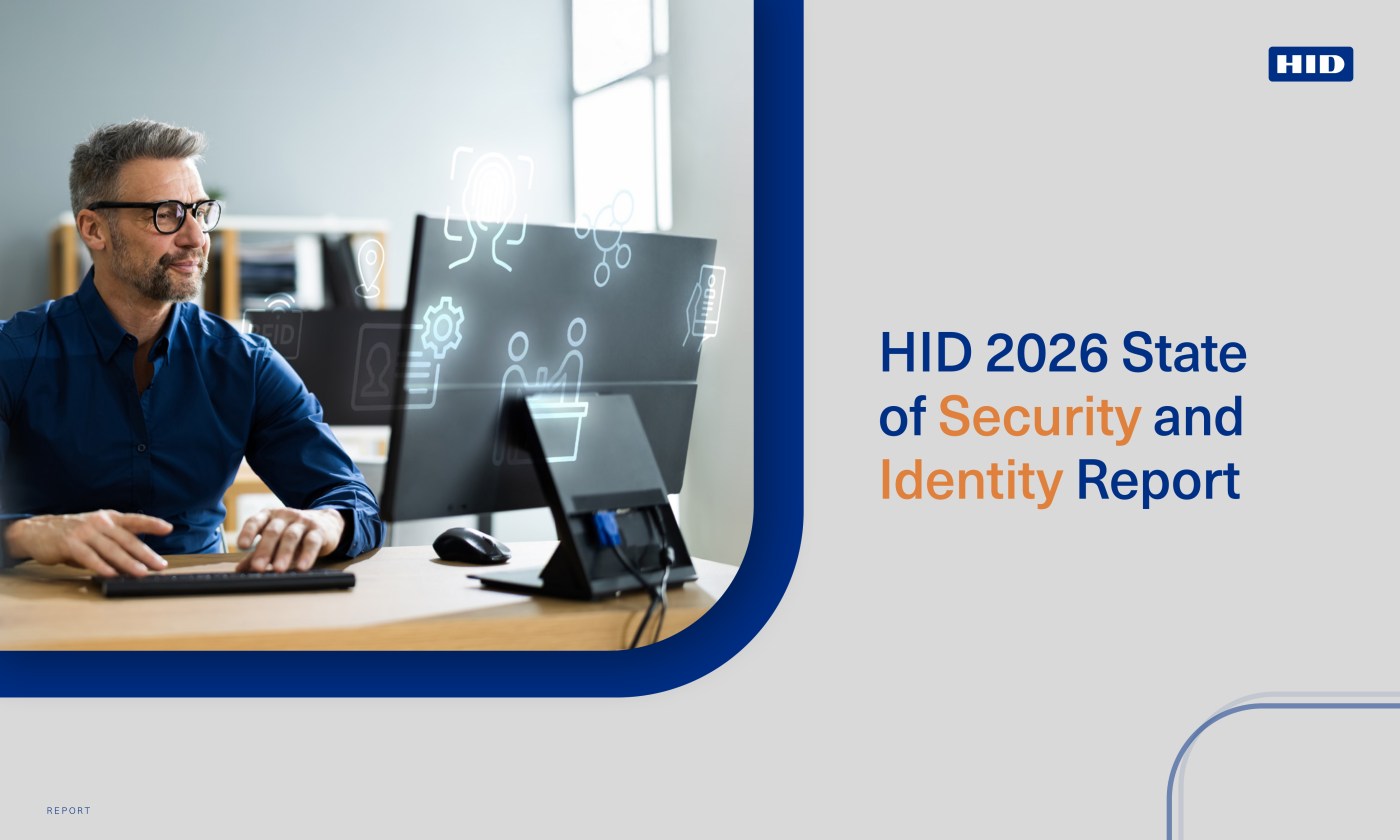
HID, a global leader in trusted identity solutions, has released its 2026 State of Security and Identity Report, revealing how organizations in the region and worldwide are reshaping their approach to identity management. Based on insights from more than 1,500 security and IT professionals, end users and industry partners across regional and global markets, the research shows that security leaders are focused on how to manage identities in ways that build trust, strengthen protection and preserve user choice across increasingly converged physical and digital environments.
“Security leaders are clearly under pressure to modernize access and identity infrastructure, but our research shows they’re equally focused on the governance, protection and transparency that build lasting trust,” said Ramesh Songukrishnasamy, Senior Vice President and Chief Technology Officer at HID. “The organizations succeeding in 2026 are those giving stakeholders meaningful solution choice while maintaining robust security.”
Key Findings that Define the Path Forward
- Identity management now dominates strategic planning
(73%) of respondents rank identity management as a top priority, reflecting a shift towards unified identity governance that spans both physical access and digital systems.
- Mobile credentials have reached critical mass
Mobile credentials adoption is now driven by security improvements (50%) rather than convenience (34%), a notable shift as organizations recognize the many advantages of mobile credentials. Meanwhile, hybrid credential environments remain standard, with 84% of end users maintaining physical credentials within their mobile deployment.
- Biometrics are expanding beyond MFA into core access control
Biometric technologies continue to gain traction (45% of users view them as strategic), with fingerprint (71%) and facial recognition (50%) leading adoption. Yet, ethical and privacy concerns more than doubled year-over-year from 31% to 67%.
- Physical and digital identity convergence is accelerating
(75%) of organizations have either deployed (29%) or are actively evaluating (46%) unified identity solutions. While single credentials spanning buildings, networks and applications deliver efficiency and stronger security, budget constraints (51%), complexity (37%), and expertise gaps (34%) remain persistent barriers.
- Investment patterns are shifting towards integrated platforms
Organizations are prioritizing integrated identity and security platforms over standalone point solutions to improve visibility, efficiency, and resilience across increasingly complex environments. Yet, integration complexity persists as a primary barrier (52% for identity systems, 37% for physical-digital convergence).
Ethics and privacy concerns are at an all-time high
Beyond technology trends, the 2026 report highlights ethics and privacy as a defining concern, with 67% of end users expressing ‘high’ or ‘moderate’ concern about ethical and privacy implications. As a result, organizations are strengthening policies and governance to balance protection with individual rights.
Drawing on diverse perspectives across industries, including healthcare, education, government, finance, manufacturing, and critical infrastructure, the survey offers insight into how strategy aligns with execution and where gaps remain.
The full 2026 State of Security and Identity Report is available for download at hidglobal.com here.
 dxbhappenings.net
Leave a comment